Cognee: Open-Source AI Memory Platform for Agents with Persistent Long-Term Memory
Discover Cognee, the open-source AI memory platform that gives your agents persistent long-term memory across sessions via a self-hosted knowledge graph engine. 27K+ GitHub stars.

🤔 The Problem: Your AI Agents Have Amnesia
You know that frustrating feeling when you're talking to an AI agent, and it has absolutely no idea what you discussed five minutes ago? It's like talking to someone who resets their brain after every sentence. That's the reality of most AI agents today — they operate in stateless sessions, treating every interaction like a first date.
I've been building AI-powered tools for a while now, and this was the single biggest pain point. My agents could answer questions brilliantly, but ask them to remember preferences or build on previous conversations? Complete blank. I tried vector databases, I tried storing conversation logs, I even tried hacking together my own memory system. Each approach felt like patching a leaky boat.
That's when I found Cognee — and honestly, it changed how I think about agent memory entirely.
🧠 Want to give your AI agents permanent memory?
Docker configs, system requirements, and installation guides — all on one page.
View Cognee Tool Page →🧠 What Is Cognee?
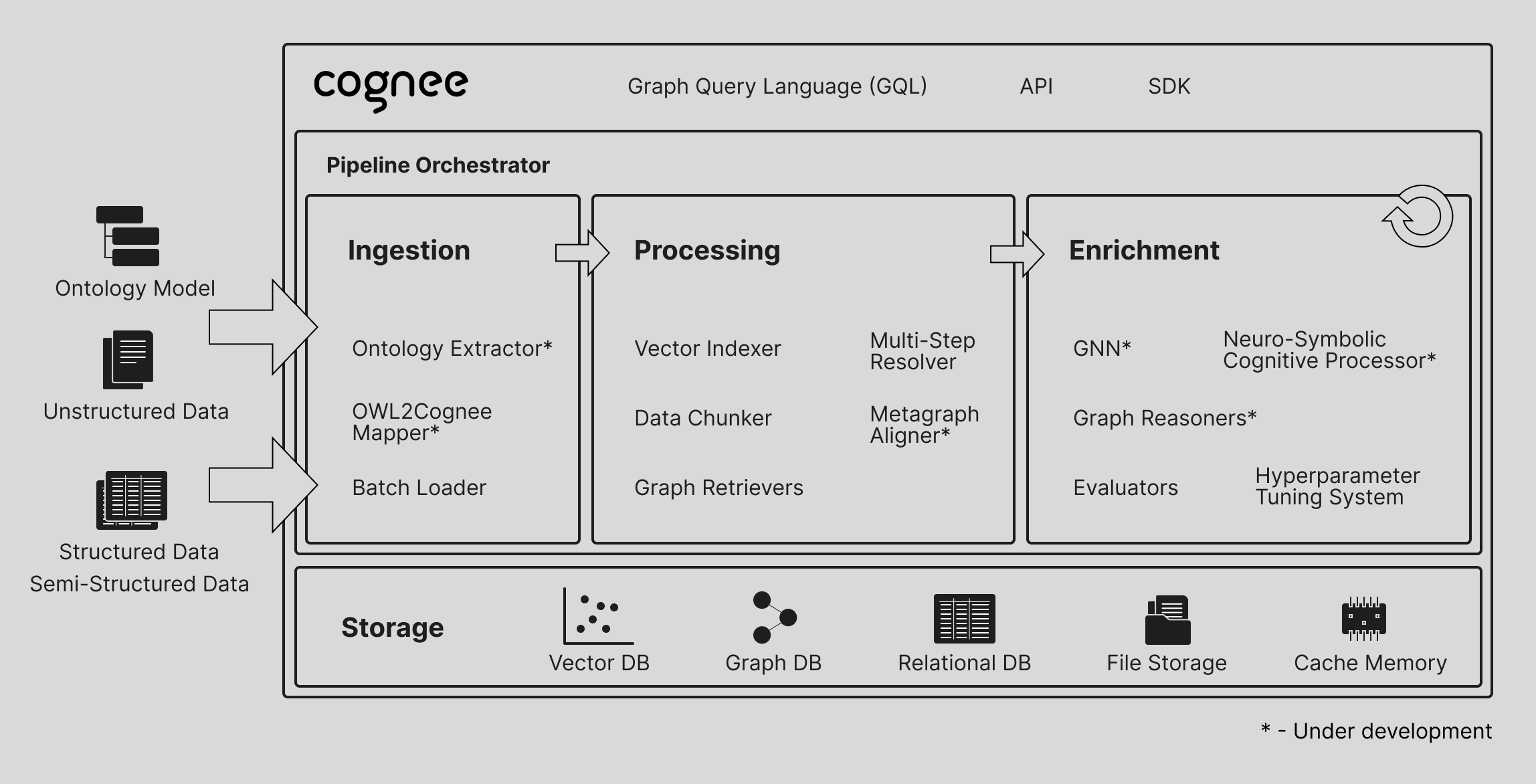
Cognee is an open-source AI memory platform built specifically for agents. It's not a generic database or a simple cache — it's a purpose-built knowledge graph engine that gives your agents persistent, structured long-term memory across sessions. With over 27,500 GitHub stars, it's the leading open-source solution in this space, and for good reason.
Think of it as the hippocampus for your AI agents. Just like your brain doesn't forget what you had for breakfast or who you talked to yesterday, Cognee ensures your agents remember past conversations, decisions, user preferences, and important context. It stores memories as a structured graph — connecting related pieces of information so retrieval is contextual and meaningful, not just a keyword search.
🎯 What Makes It Special?
I've tested a bunch of memory solutions, and here's what stood out about Cognee versus everything else I tried:
🧩 Memory Types That Actually Make Sense
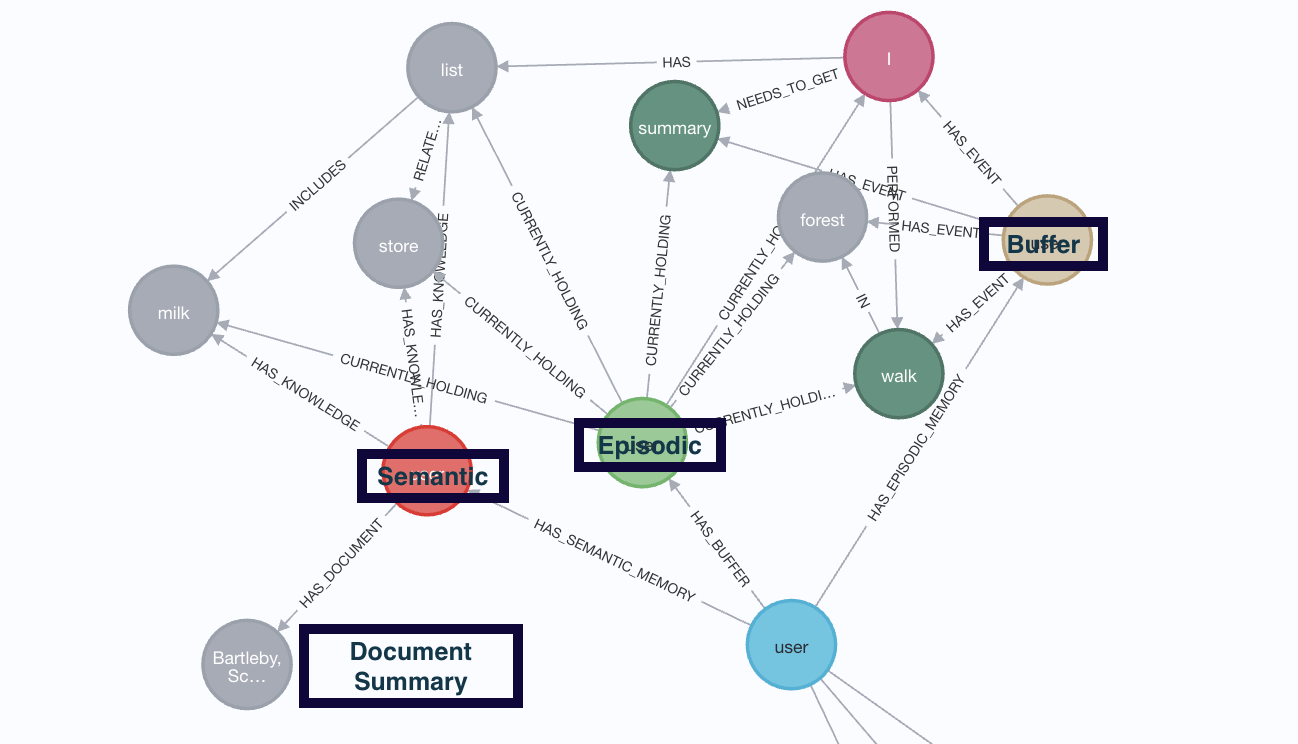
Most memory systems treat all memories the same. Cognee distinguishes between episodic (specific events — "the user asked about pricing on Tuesday"), semantic (general knowledge — "the user prefers Python over JavaScript"), and procedural (how to do things — "when the user asks for a report, follow these steps"). This differentiation makes retrieval incredibly accurate.
🔗 Graph-Based Retrieval — Not Just Vector Search
Here's where Cognee really surprised me. Instead of just comparing embedding vectors (which misses relationships between memories), it uses a knowledge graph structure. When you ask for a memory, it doesn't just find the closest vector — it navigates the graph to find contextually related information you might not have even asked for. The first time I saw it pull up a related memory from three conversations ago that was actually relevant? I was genuinely impressed.
🏠 Fully Self-Hosted — Your Data, Your Rules
This mattered a lot to me. Cognee runs entirely on your infrastructure. No third-party APIs, no data leaving your network, no privacy concerns. You deploy it via Docker, configure your LLM provider, and it just works. For production use cases with sensitive data, this is non-negotiable.
⚙️ How It Works
Under the hood, Cognee uses a knowledge graph engine to store memories as interconnected nodes. When your agent needs to recall something, Cognee doesn't just search for keywords — it traverses the graph to find semantically relevant memories, even if they don't share exact terms with the query.
The platform includes a REST API and a Python SDK, so integration is straightforward regardless of your tech stack. It works with any LLM provider (OpenAI, Anthropic, local models through Ollama, etc.) and any agent framework (LangChain, CrewAI, AutoGen, custom).
One feature I found particularly useful: automatic memory summarization. As memories accumulate, Cognee automatically summarizes and compresses older memories, keeping storage efficient while preserving important context. And with configurable retention policies, you control exactly how long memories live.
📊 Comparison at a Glance
| Feature | Cognee | Vector DB Only | Simple Cache |
|---|---|---|---|
| Memory Types | Episodic + Semantic + Procedural | Dense vectors only | Key-value only |
| Relationship Awareness | ✅ Graph-based navigation | ❌ Similarity only | ❌ Exact match only |
| Auto-Summarization | ✅ Built-in | ❌ Manual | ❌ N/A |
| Self-Hosted | ✅ Yes | ✅ Yes | ✅ Yes |
| Multi-User Isolation | ✅ Native | ⚠️ Needs setup | ❌ |
💭 Final Verdict: Who Is Cognee For?
Use it if: You're building AI agents that need to remember context across conversations. You're tired of stateless agents that can't build on previous interactions. You want a memory solution that understands relationships between memories, not just similarity scores. You value data privacy and want everything self-hosted.
Skip it if: Your agents only handle single-turn stateless tasks. You're already happy with a simple vector database for memory. You need a managed cloud solution (Cognee is self-hosted only).
After using Cognee for a few weeks, I can honestly say it's solved a problem I'd been struggling with for months. My agents actually remember who I am, what I've asked before, and what we've decided together. It sounds simple, but in practice, it transforms how you interact with AI systems.
🚀 Give Your Agents Permanent Memory with Cognee
Docker Compose configs, system requirements, installation guides, and more — all in one place.
View Cognee Tool Page →