Happier Review: One Encrypted Client for Codex, Claude Code & More
Happier unifies Codex, Claude Code, OpenCode, Kimi, Augment Code, and Qwen in one end-to-end encrypted client for web, desktop, and mobile. Full review and feature deep-dive.
If you use AI coding assistants — Codex, Claude Code, OpenCode, Kimi, Augment Code, or Qwen — you have probably felt the pain of juggling multiple CLIs, chat windows, and sessions. Happier solves that with one clean, private client that works on web, desktop, and mobile.
🚀 Want to deploy Happier yourself?
Docker configs, system requirements, and installation guides — all on one page.
View Happier Tool Page →Why a Unified Client?
Every major AI coding tool ships its own interface. Switching between them means re-learning shortcuts, losing context, and duplicating prompts. Happier gives you a single chat surface backed by all of them — your session history travels with you instead of living in six different terminal histories.
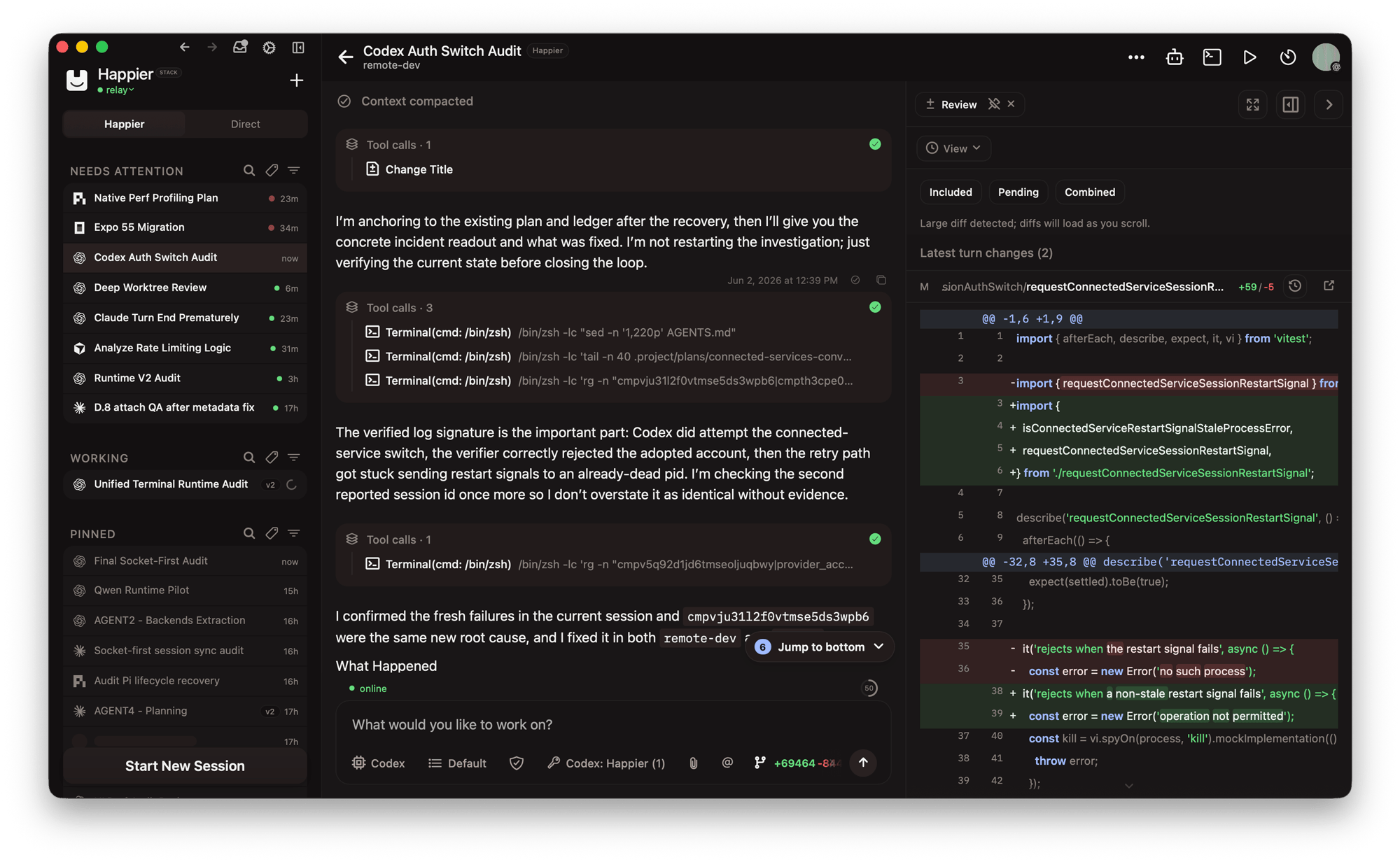
End-to-End Encryption by Default
The standout feature is privacy. Happier encrypts your prompts, conversations, and context end-to-end — the server never sees plaintext. For teams handling proprietary code, this matters: your snippets and architecture discussions stay under your control, even when you connect third-party AI providers.
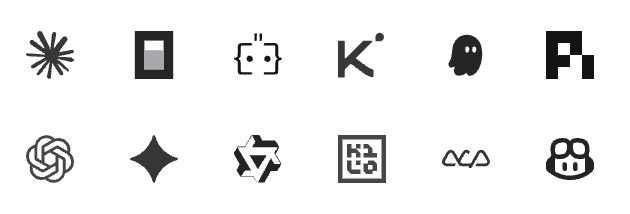
Supported Providers
- Codex (OpenAI) — full chat and session support
- Claude Code (Anthropic) — agentic coding workflows
- OpenCode and Kimi — open-source assistant integration
- Augment Code and Qwen — additional provider coverage
MIT Licensed and Self-Hostable
Happier is open source under the MIT license with ~1.5K GitHub stars. The Docker image (terrifiedbug/happier) makes self-hosting straightforward — deploy it on your own server and keep the whole pipeline private.
🚀 Want to deploy Happier yourself?
Docker configs, system requirements, and installation guides — all on one page.
View Happier Tool Page →