MLflow: Open-Source AI Engineering Platform for LLMs and Agents
Explore MLflow, the open-source AI engineering platform for debugging, evaluating, monitoring, and optimizing LLMs and AI agents. 27K GitHub stars, Apache-2.0.

You're Building AI Apps. But Can You Trust Them?
Let's be real — building with LLMs and agents isn't like writing regular software. One day your prompt works perfectly with GPT-4, the next day it returns gibberish after an update. Your agent workflow that took 3 days to debug breaks because a sub-agent returned JSON instead of Markdown. And production? Forget about it — you have no idea why your model's accuracy dropped from 92% to 74% overnight.
I've been there. Spent weeks trying to figure out why my RAG pipeline was returning nonsense. Turns out the embedding model had been updated without me noticing. That's when I discovered MLflow — and honestly, I wish I'd found it sooner.
🚀 Want to deploy MLflow yourself?
Docker configs, system requirements, and installation guides — all on one page.
View MLflow Tool Page →What Makes MLflow Different?
MLflow (27K+ stars on GitHub, Apache-2.0) is an open-source AI engineering platform. But calling it a "platform" undersells it. It's more like a Swiss Army knife for anyone shipping AI to production — whether you're using OpenAI, Anthropic, Llama, DeepSeek, or all of them at once.
The pitch is simple: debug, evaluate, monitor, and optimize your AI applications. Every part of the ML lifecycle, from a quick experiment in a notebook to a production deployment serving millions of requests.
Features That Actually Matter
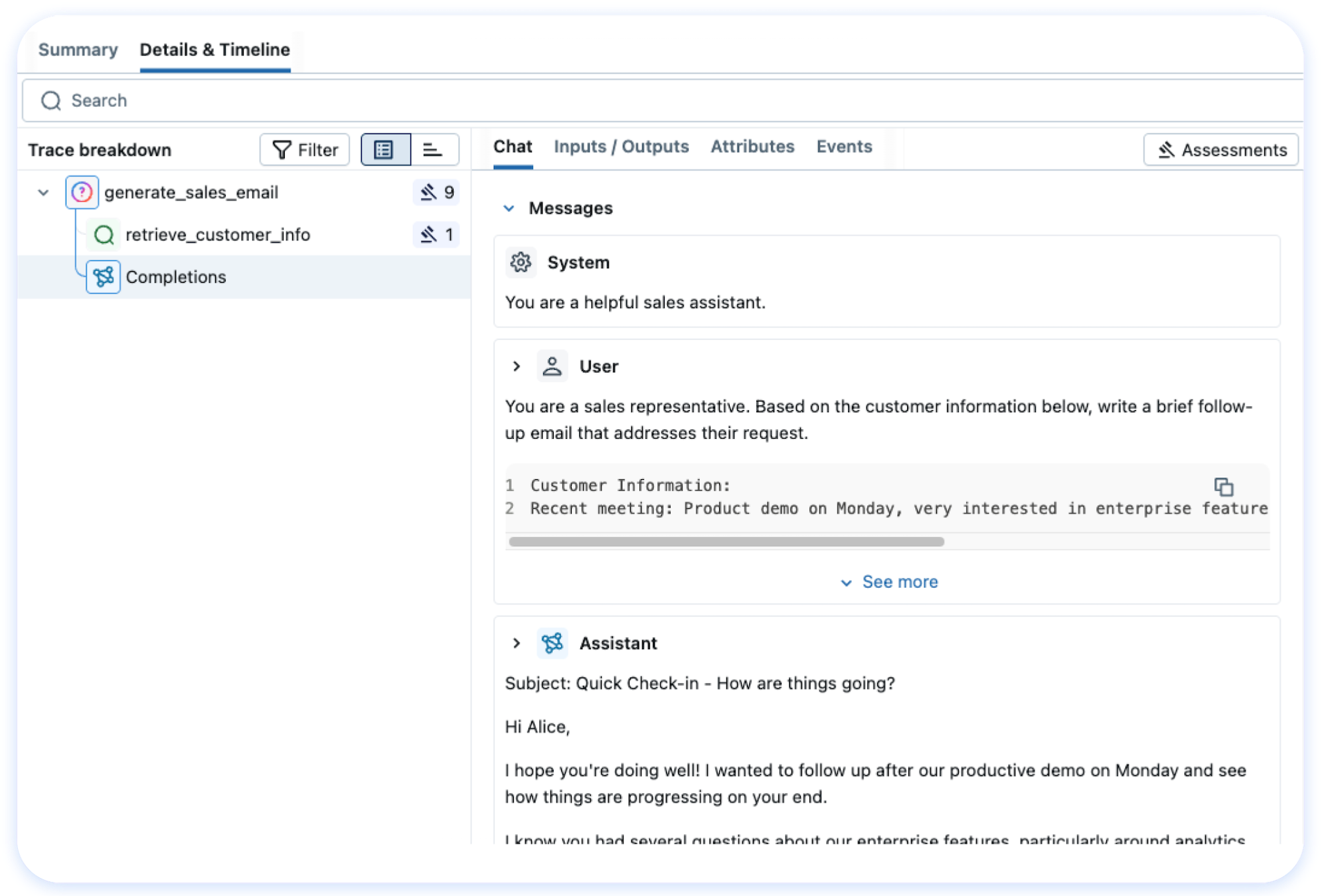
🔍 Tracing — See Inside Your Agent Workflows
This is the feature that sold me. MLflow Tracing captures every step of your agent's execution — which LLM was called, what the prompt was, what it returned, how long it took. I found a bug in my multi-agent system where Agent A was passing malformed JSON to Agent B. Without tracing, I'd still be debugging. With tracing? Found it in 5 minutes.
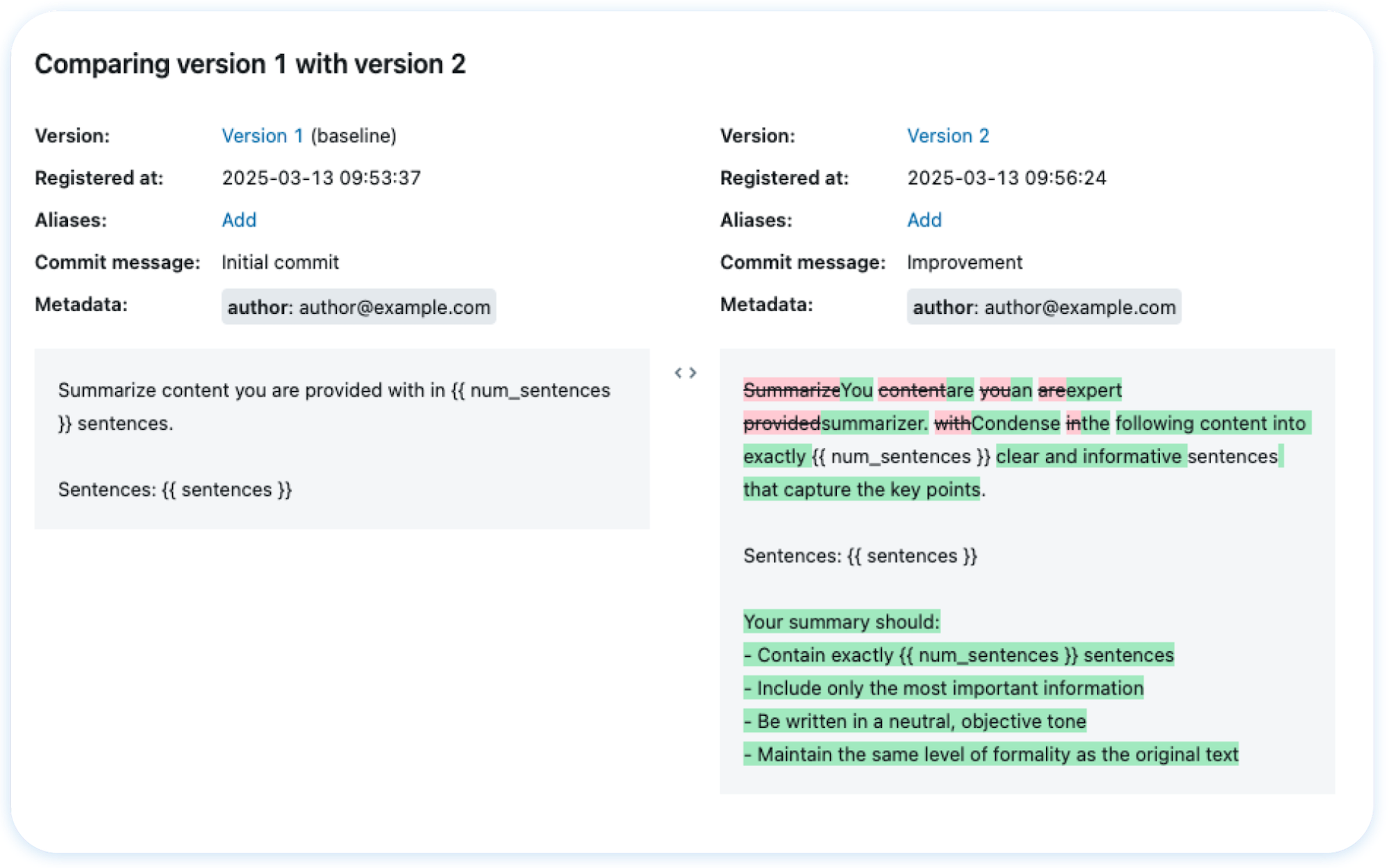
🧪 Prompt Engineering Studio
Stop copy-pasting prompts into a text file. MLflow gives you a visual studio to iterate on prompts, compare versions side by side, and A/B test them with different models. I experimented with 12 prompt variations for my customer support agent in about 30 minutes. The difference between version 4 and version 7? A 23% improvement in response quality.
📊 Evaluation Framework
Here's where MLflow shines. You can compare models — GPT-4 vs Claude vs DeepSeek — across custom metrics. I tested 5 models on the same 100 prompts and the results surprised me. The most expensive model wasn't the best for my use case. MLflow saved me hundreds of dollars a month.
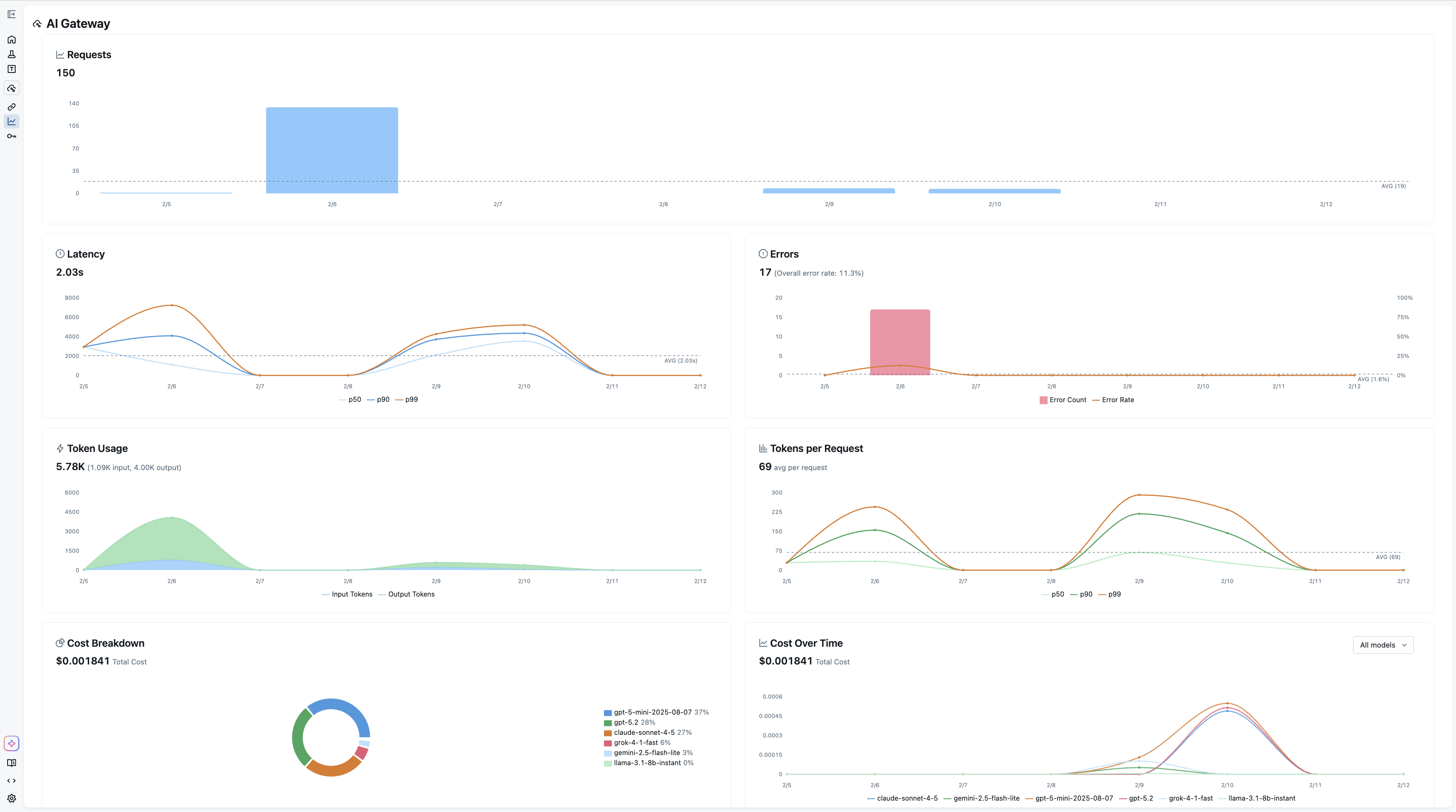
🌐 AI Gateway
One API endpoint, all providers. Switch between OpenAI, Anthropic, Google, and local models without changing a line of code. Rate limiting, cost tracking, and failover built in. This alone is worth installing MLflow.
What I Don't Like (Honest Take)
MLflow has been around for a while (started as an ML experiment tracker), and you can feel some of the older architecture decisions in the UI. The learning curve isn't steep, but it's there — especially if you're using it just for LLMs and skipping the ML tracking features. Also, the documentation is comprehensive but dense. I spent an hour looking for a specific API reference that was buried three pages deep.
And the community images on Docker Hub all have their quirks. The official mlflow/mlflow image has almost no pulls — you'll want burakince/mlflow or larribas/mlflow instead.
Who Is MLflow For?
- ✅ Teams shipping AI to production — you need monitoring, evaluation, and debugging
- ✅ Developers using multiple LLM providers — the AI Gateway alone is worth it
- ✅ Anyone frustrated by "black box" LLM behavior — tracing changes everything
- ❌ Hobbyists running one-off scripts — might be overkill for simple use cases
- ❌ Teams already locked into a specific vendor's tools — but even then, worth a look
🚀 Explore MLflow on Run This Ai
Docker Compose configs, system requirements, installation guides, and more — all in one place.
View MLflow Tool Page →